Infrastructure architecture
Servers, storage, operating systems, identity, virtualization, lifecycle planning, and operational reliability.
 MPG.
MPG.
Michael P. Goodman is a technology architect, systems problem-solver, and entrepreneur who turns ambiguous technical problems into resilient, functioning systems.
Technical work is rarely isolated. Infrastructure, security, data, software, and operations have to function together.
Servers, storage, operating systems, identity, virtualization, lifecycle planning, and operational reliability.
Routing, DNS, Wi-Fi, segmentation, remote access, packet-level diagnostics, and performance analysis.
Windows Server, Active Directory, Group Policy, Ubuntu, services, command-line administration, and automation.
Local inference, GPU workstations, Ollama, retrieval-augmented generation, vector databases, and agent systems.
Python, Bash, FastAPI, JavaScript, dashboards, APIs, OCR, geocoding, quoting, and data workflows.
Root-cause analysis, backup architecture, disaster recovery, bare-metal restoration, and continuity planning.
Selected projects demonstrating practical engineering, experimentation, and operational judgment.
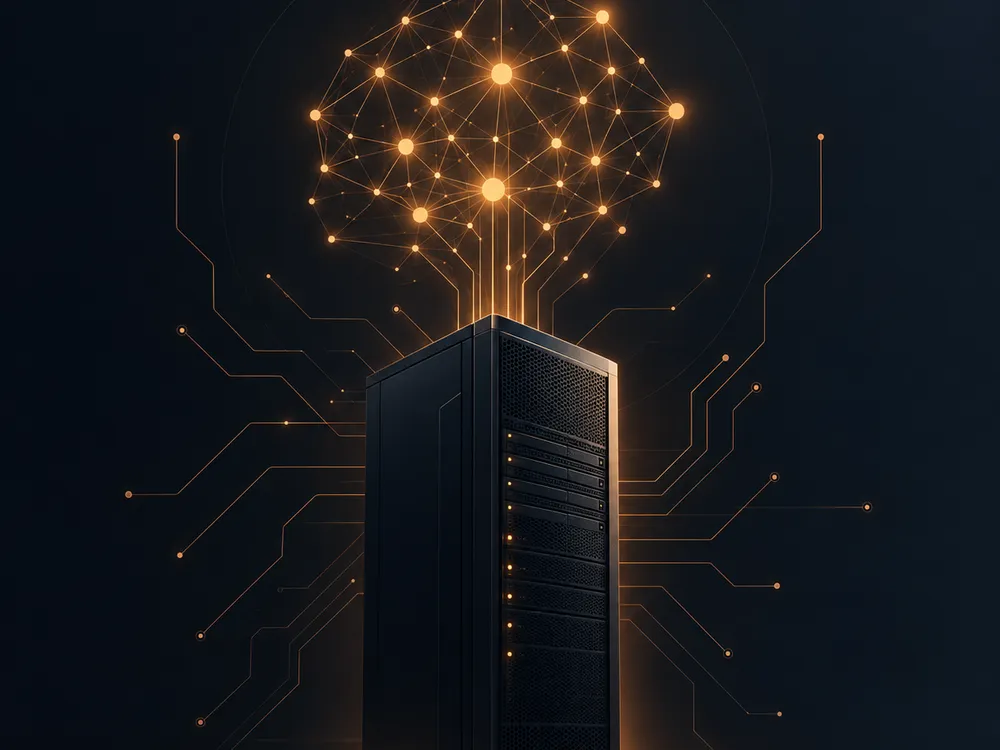
A self-hosted AI architecture exploring local inference, persistent vector memory, controlled tool execution, process supervision, and explicit operational safeguards.
Discuss the architecture →
A practical web application for property-service operations, combining address geocoding, verifiable property enrichment, customer-confirmed features, server-side rate calculation, and quote persistence.
Request project details →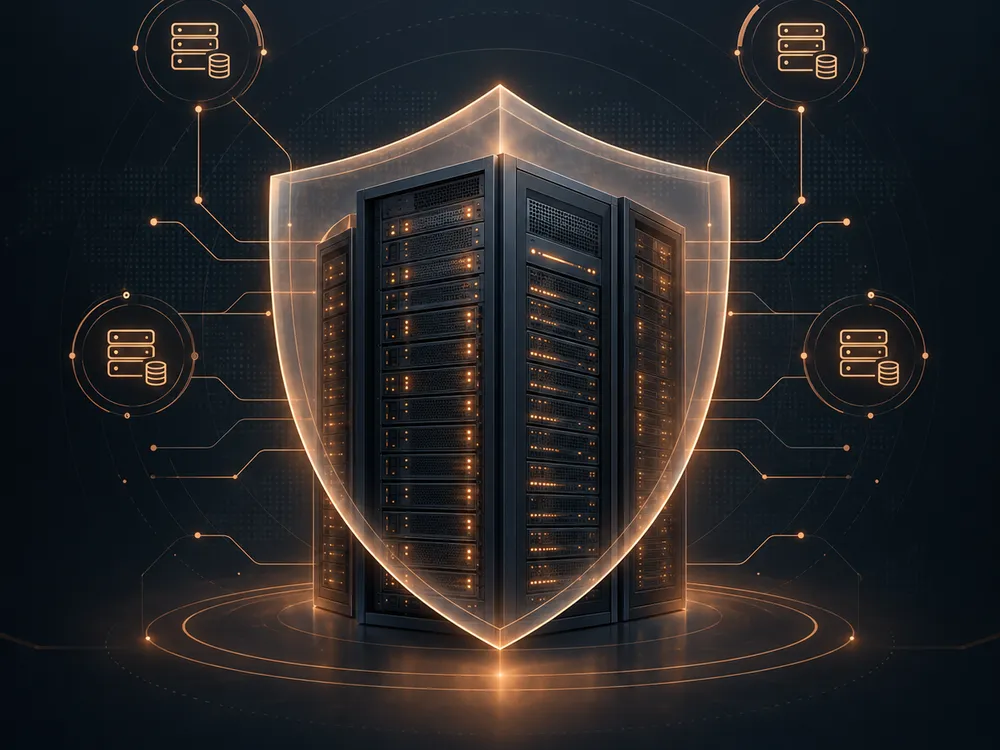
Hands-on systems work spanning enterprise Windows environments, Active Directory, networking, virtualization, intermittent-fault analysis, backup redundancy, and bare-metal recovery planning.
Discuss an infrastructure problem →Every engagement — a short diagnostic or a multi-month build — follows the same disciplined path from symptom to sustainable system.
Understand the environment, constraints, stakeholders, and what "working" actually needs to mean.
Isolate root cause rather than symptoms — logs, packet captures, configuration audits, and reproducible tests.
Design a solution sized to the real constraints — resilient, explainable, and maintainable after handoff.
Implement with version control, staged rollouts, and rollback plans — automation over repetition.
Document, test failure modes, and transfer operational knowledge so the system outlives the engagement.
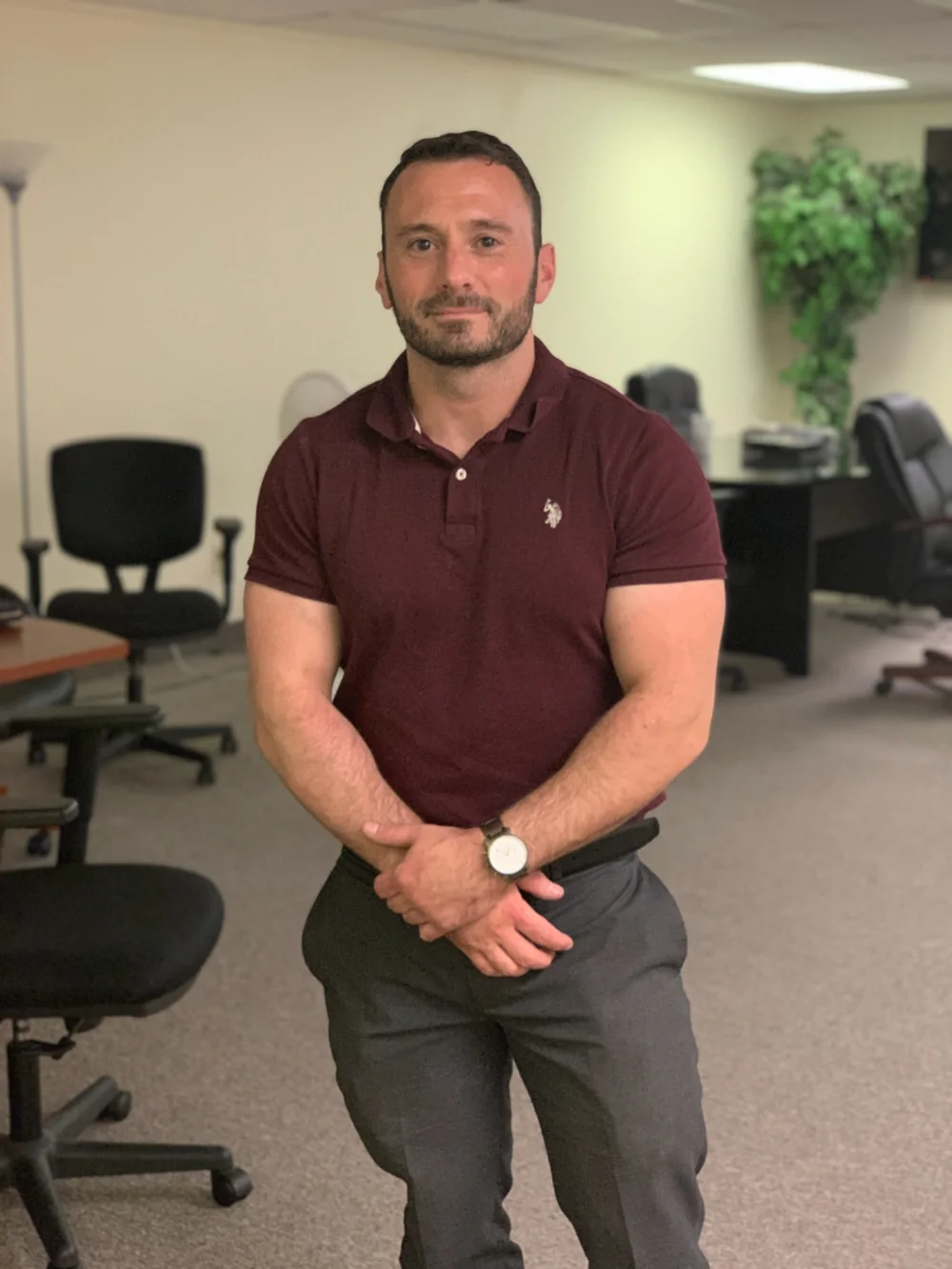
My work sits at the intersection of infrastructure engineering, software automation, artificial intelligence, and entrepreneurship. I have spent decades learning how systems fail, how to isolate the actual cause, and how to build solutions that can be maintained after the prototype is over.
That path has run from computer hardware and Windows Server infrastructure through networking, virtualization, and managed IT services into technology entrepreneurship — I am founder and president of Computer Service Specialists Of New York in Rochester — and now into private AI infrastructure and human-computer interaction.
I am particularly interested in remote senior roles and fractional engagements involving infrastructure architecture, AI deployment, automation, security-minded systems design, and technical troubleshooting.
Download a one-page summary of capabilities, selected work, and credentials as a PDF.
Tell me what you are trying to accomplish, what is failing, or what you need built.